
Task Objective:
Today, we will be making a "Love-o-meter." We aim to practically demonstrate how the human body is "read" by machines, converting analogue physical warmth into quantifiable digital data via the Arduino IDE and Serial Port monitoring.
My Objective (Self-Initiated Work)
My goal is to identify the specific lines of code that define the threshold for what the machine considers "hot" or "cold." By manually hacking these variables and changing the baseline temperature in the code, I want to demonstrate how easily biometric reality can be manipulated.
The Body as Data Source: Creative Hacking
Creative hacking, particularly with microcontrollers like Arduino, allows us to challenge the assumed boundary between the body and technology. Our love detector project, while playful, demonstrated how simple hardware can externalize complex, internal biometric states. We weren't measuring literal love, but rather the physiological changes in skin temperature associated with strong emotion.
This process flips the script: instead of the body passively receiving technology, the body becomes the dynamic data source.
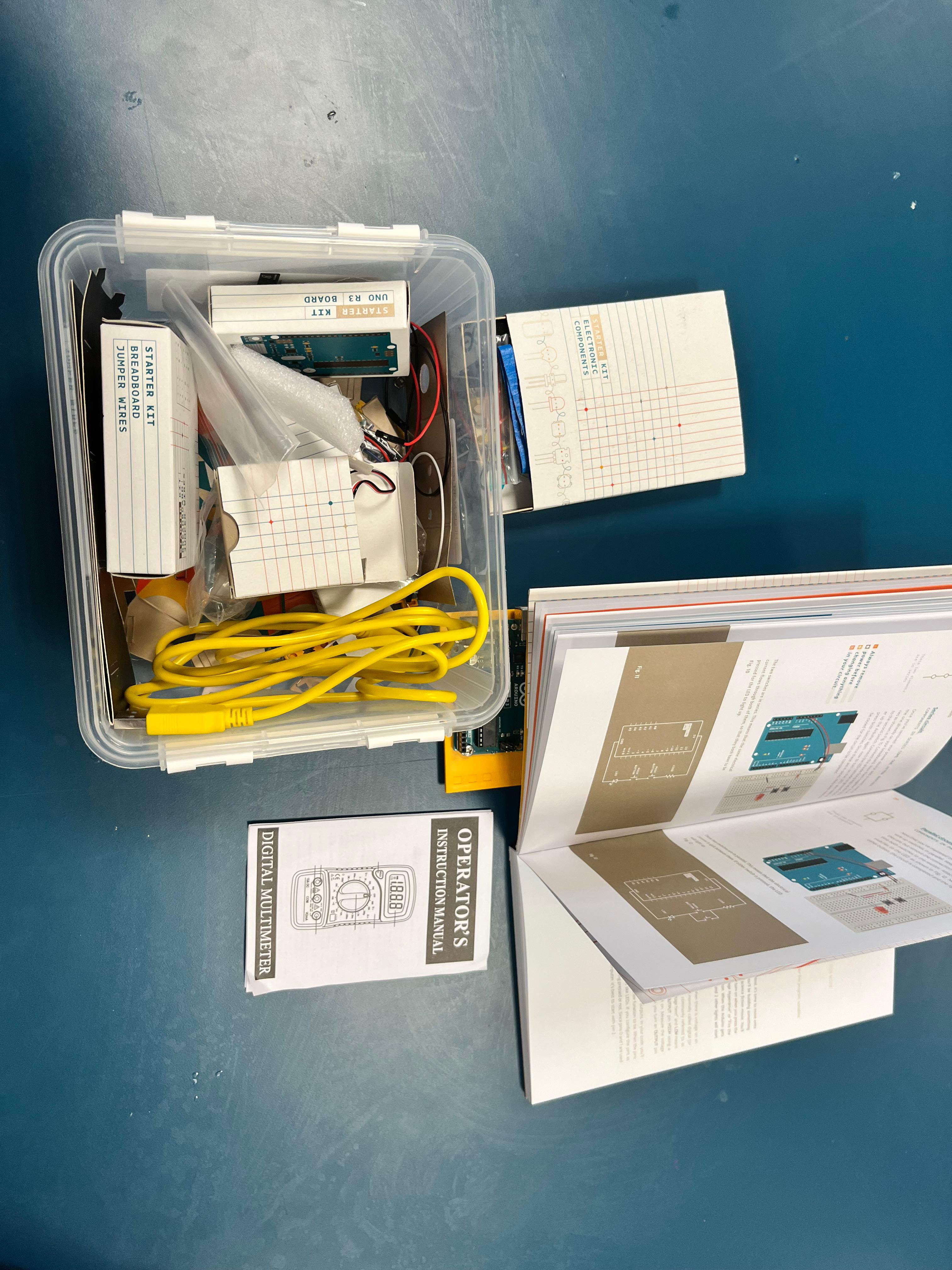
Figure 1: Image of Arduino toolkit provided at Helix Makerspace.
For the second time since I started coding this portfolio, my background in Electrical Engineering actually came to the rescue. While the concept of "creative hacking" felt a bit abstract at first, the minute I saw the breadboards and jumper wires, I felt at home. I was able to step up and help my group navigate the wiring, connecting the temperature sensor and LEDs to get our "Love-o-meter" circuit running.
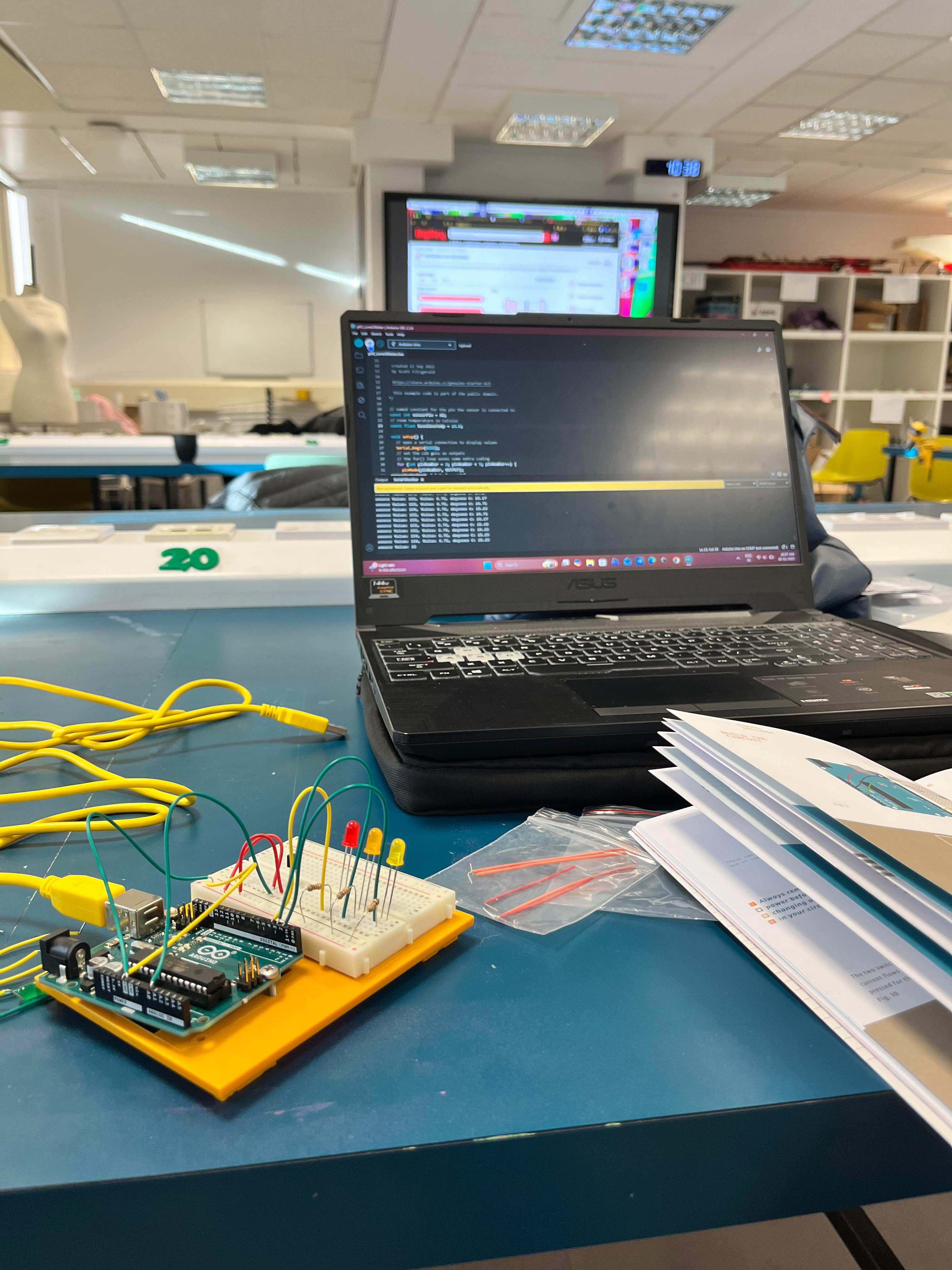
Figure 2: Image of Arduino connected to a thermistor sensor on a breadboard, which is connected to a laptop that would upload the code into the Arduino.
However, we unknowingly plugged in a faulty temperature sensor. When our tutor, Joanne, kindly stepped in to check our connections, she touched the sensor to get a reading. But it was scalding hot. It burned her finger enough to form a blister immediately. We felt terrible about it, but it was a visceral lesson. In digital media, a "bug" usually just means an error message on a screen. In physical computing, a bug has serious consequences.
Key Insight: The greatest challenge wasn't the code, it was the noise. Biometric sensors are highly sensitive to environmental interference such as ambient temperature changes and sudden movements. Getting a clean, stable reading required careful grounding and filtering, emphasizing that digital purity is an illusion when dealing with analog, bodily signals.
Debugging Reality
Once we swapped out the dangerous sensor, we ran into a second problem.
The code provided for the task assumed a "normal" room temperature. But the Helix facility was absolutely freezing, and so were our hands. The sensor was working fine, but it refused to light up the LEDs because our body heat was way below what the code considered warm.
To fix it, we had to go into the software and "hack" the baseline temperature, lowering the threshold significantly. It was a perfect example of how data isn't neutral, the sensor only works if the code understands the context.
We had to rewrite the rules to match our physical reality.
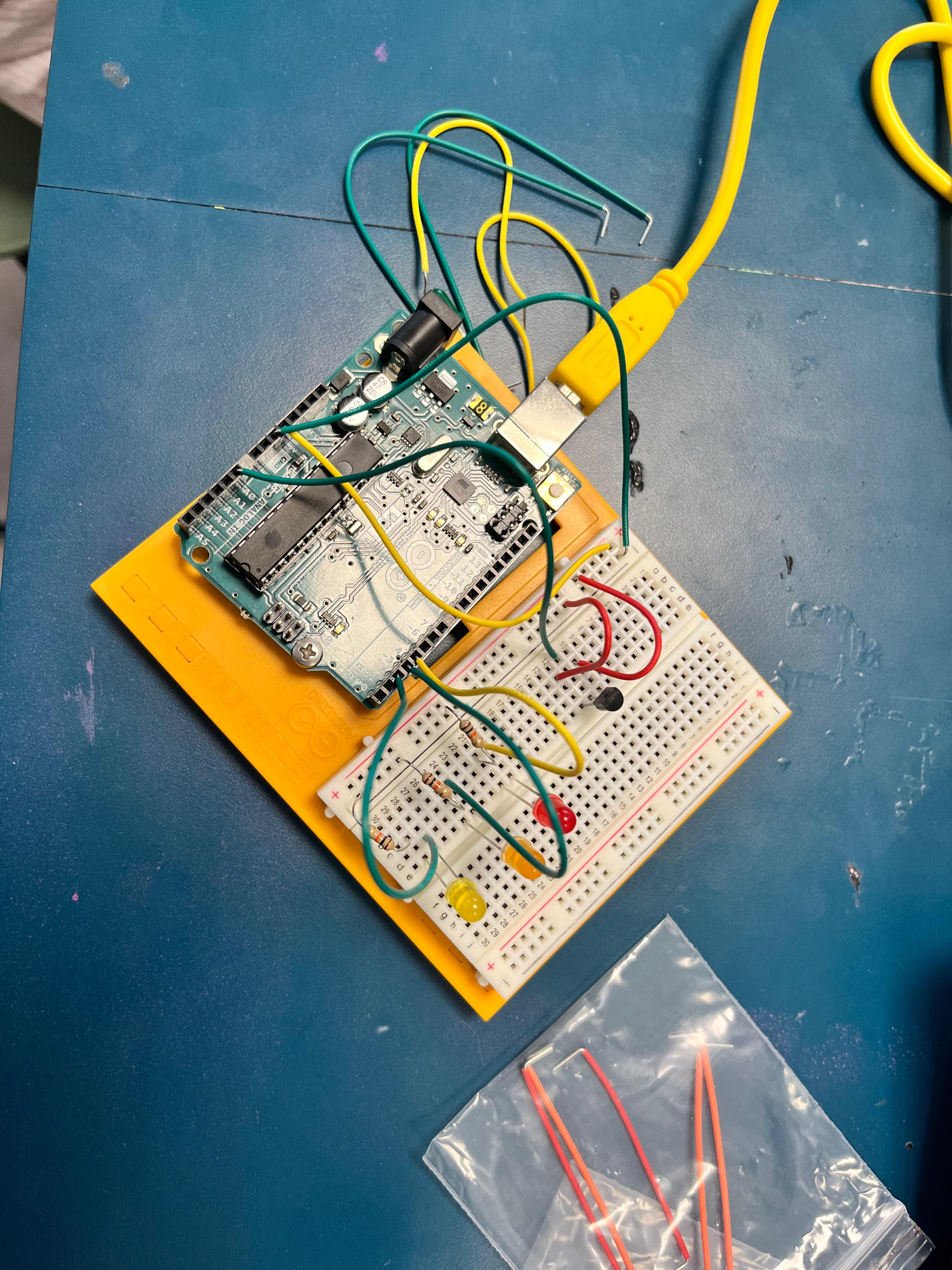
Figure 3: The image of our Love-o-meter.